Do You Need a Permit for a Pool in Ontario? Municipal Rules and Planning Checklist
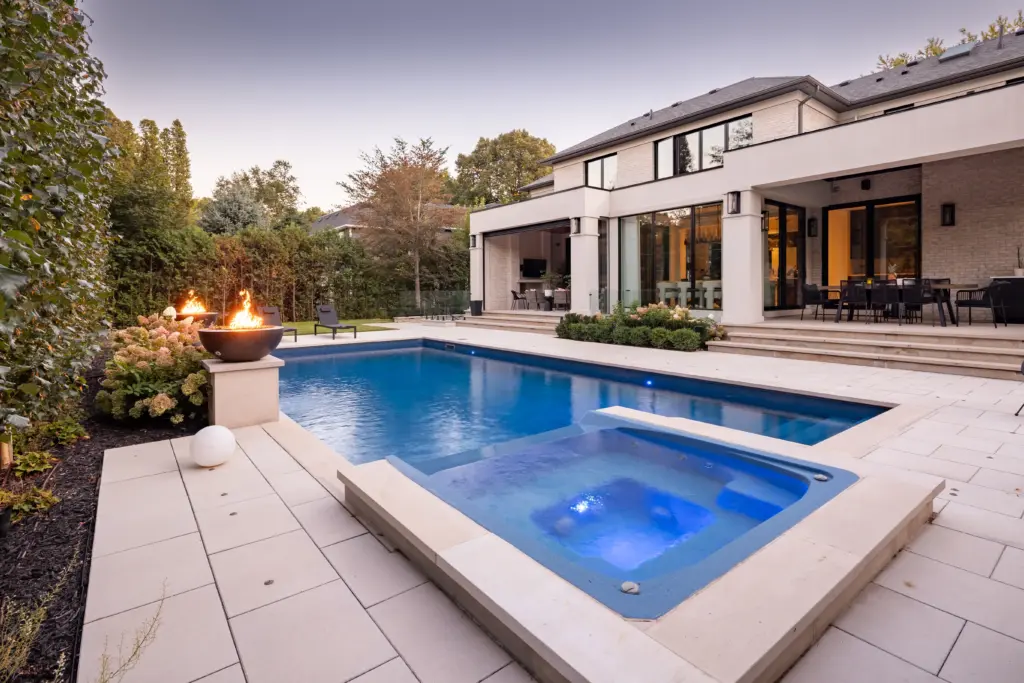
If you are planning a new swimming pool in Ontario, a permit is just as important to consider as the shape and finish of the pool. Before choosing the final design, it is important to understand what approvals may apply to your property and project.
In most cases, yes – a new swimming pool in Ontario requires a municipal permit or related approval before installation. The exact permit can differ by municipality and project. Depending on where you live and what you are building, the approval may cover the pool enclosure, fence, pool location, grading, site alteration, or related work such as decks, electrical equipment or gas heaters.
This guide explains those local differences, the practical costs and timelines to expect, common planning terms, who handles the application, and the inspection steps that may be required before a pool is filled.
QUICK ANSWER — In most cases, yes. A new pool in Ontario typically requires a municipal pool-related permit or approval before installation. The permit name, fees, review time, required drawings and inspection steps vary by municipality and project.
1. Is There One Pool Permit Rule for All of Ontario?
The answer is no. Ontario’s Building Code framework is province-wide, but building-code enforcement and permit administration are generally handled by local municipal building departments. Municipalities also use their own zoning, fence, pool-enclosure, grading and site-alteration rules.
Permit requirements can vary depending on the municipality, the type of pool and the work included in the project. Before moving ahead, check with your local municipality to make sure you have identified and applied for the correct permit or approvals for your pool, enclosure, deck, site work and any other related construction.
For homeowners, the practical lesson is to avoid relying on a generic “yes” or “no.” The correct question is: which approvals apply to this pool, on this property, in this municipality?
2. Building Permit vs. Pool-Enclosure or Fence Permit
You may need one permit or several related approvals, depending on the project. Municipalities do not all use the same terminology. You may encounter:
Pool-Enclosure Permit or Swimming-Pool Fence Permit
Commonly used to review fencing, gates and access control around the pool.
Pool Permit
A broader municipal approval that may combine pool location, enclosure, grading or other requirements.
Building Permit
May apply to the pool in some municipalities and can also apply to associated structures such as decks, retaining walls, cabanas or other construction, depending on the project.
Development Engineering, Grading or Site-Alteration Approval
May apply where excavation, drainage, lot grading, municipal boulevards, trees or site servicing are affected.
Other-Agency Approval
May be needed when the property is affected by a conservation-regulated area, septic system, easement, provincial highway, heritage controls or another jurisdiction.
A permit for one part of the project does not automatically replace every other approval. Your municipality should confirm what must be submitted together and what is handled separately.
3. Do Inground, Onground and Above-Ground Pools Follow the Same Rules?
Not always. Municipal definitions often use water depth, pool-wall height or construction type to determine when enclosure rules apply. Above-ground pools can have different enclosure options from inground pools, particularly where the pool wall itself provides part of the required barrier. Onground or semi-inground installations may be treated differently again depending on the municipality and the surrounding deck or grade.
Do not assume that a smaller or above-ground pool is automatically exempt. Kitchener, for example, bases its pool-enclosure permit rule on whether a pool can contain water at least 36 inches deep, while Newmarket uses a 0.6-metre threshold for pools and hot tubs. The exact trigger must be checked locally.
4. What Do Setbacks, Easements, Locates and Grading Mean for a Pool Project?
These are property conditions that can affect where the pool can go, how it is installed and which approvals are required. You do not need to have every detail solved before requesting a quote, but these items become important as the layout is developed.
Setbacks
The minimum required distance between the pool or equipment and a property line, house, street or other feature. Setbacks can change the pool size, orientation and equipment location.
Easements
Areas where a municipality, utility or another party has legal access rights. A pool cannot be built over an active easement, so an easement can reduce the usable area of the backyard.
Grading
The slope and elevation of the land and the way water drains across the property. Pool excavation, fill, patios or retaining walls can change drainage and may trigger a grading or site-alteration review.
Utility Locates and Construction Access
Locates identify buried infrastructure before digging, while access determines how excavation equipment reaches the backyard. Both can affect the pool layout and construction plan.
Pool Enclosure
Existing fences, gates and doors may form part of the required pool enclosure, but they must meet the applicable safety requirements.
Equipment Location
Pumps, filters and heaters can have separate setback, access or noise requirements that affect where the equipment pad is placed.
Related Structures
Decks, retaining walls, cabanas, sheds or other structures may require separate approvals depending on the project.
Other Site Constraints
Septic systems, conservation-regulated land, ravines, floodplains and trees can affect where construction is permitted and whether another agency must review the project.
5. Do I Need Utility Locates, Electrical Approval or Gas Work for a Pool?
Yes. Utility locates are required before excavation, and electrical or gas work must follow the applicable provincial safety requirements.
Utility Locates
Before excavation, the excavator or party responsible for digging must obtain and review the required underground-infrastructure locates. Locates identify buried services so the excavation can be planned safely.
Electrical Approval
Electrical work for pool equipment, bonding, lighting or related systems must follow the Ontario Electrical Safety Code. The Electrical Safety Authority says almost all electrical work requires a notification of work, and hired electrical work must be completed by a Licensed Electrical Contractor.
Gas Work
If a project includes natural-gas or propane equipment, use an appropriately registered fuels contractor. TSSA states that registered fuels contractors are the businesses legally authorized to perform fuels-related work in Ontario.
6. How Much Does a Pool Permit Cost in Ontario?
There is no single Ontario-wide pool permit fee. Fees vary by municipality and by the type of approval the project needs. Separate fees can apply for items such as decks, grading, engineering, conservation approvals or minor variances. Municipal fee schedules can change from year to year.
The table below shows why local verification matters. It is a planning reference, not a substitute for a municipality reviewing your property. Rules and fees can change, and site-specific conditions may add requirements.
| Municipality | What the official source says | Official source |
|---|---|---|
| Oakville | Pool enclosure permit before construction/installation; Town also says a development engineering permit is needed to add a pool. |
Municipal guidance Additional official page |
| Hamilton | The pool itself does not require a building permit, but the required pool enclosure does; adjacent decks may need a separate permit. | Municipal guidance |
| Burlington | Use the City’s Combined Residential Swimming Pool Application process; survey/site-plan, forestry and other approvals may apply. | Municipal guidance |
| Brantford | A pool and pool-fence permit is required before excavating for or installing an outdoor pool. | Municipal guidance |
| Markham | A swimming-pool enclosure permit must be obtained before construction; the application includes site-plan and utilities-clearance requirements. | Municipal guidance |
| London | A swimming-pool fence permit is required before the pool can be installed; zoning also regulates pool location. | Municipal guidance |
| Woodstock | A Swimming Pool Fence Enclosure Permit is required when installing a pool, including where an existing fence will form the enclosure. | Municipal guidance |
| Barrie | A pool-enclosure permit is required before excavation or installation. Easements, drainage and right-of-way access can affect the project. |
Municipal guidance Additional official page |
| Newmarket | Pools and hot tubs capable of holding 0.6 m (2 ft) of water require an enclosure, and a Pool Enclosure Permit is required before construction. | Municipal guidance |
| Kitchener | A pool-enclosure permit is required for pools capable of containing water 36 in. or more in depth; the City notes an exception for a hot tub/swim spa with a lockable cover. | Municipal guidance |
7. How Long Does Pool Permit Approval Take?
There is no standard Ontario approval timeline. Processing time depends on the municipality, application volume, project complexity and whether another department or agency must review the property.
Burlington currently advises that Combined Residential Pool Permit Applications may take up to four to six weeks because of application volumes. Projects that require additional grading, conservation, forestry or other approvals can take longer.
8. Who Handles the Pool Permit Application?
For Pioneer Family Pools inground and onground installations, Pioneer helps in filling the required permits. This includes submitting applications, coordinating with the municipality and handling permit-related follow-up. For above-ground projects, the Pioneer team can help explain the permit requirements and next steps.
The municipality remains the approval authority, and some related work – such as a separate deck, conservation approval, electrical work or gas equipment – can involve an additional permit, agency or licensed trade.
9. Are Inspections Required Before Filling the Pool?
Often, yes. Many municipalities require the pool enclosure or another stage of the work to be approved before water is added.
Hamilton states that water must not be placed in the pool until the enclosure is in place and final City approval has been received. Oakville also has a pre-fill inspection or enclosure-certification stage for new pools.
Do not assume the pool can be filled as soon as construction is complete. The required pre-fill approval or inspection must be completed where the local process requires it.
10. What Is the Pool Planning and Permit Process?
Start with the pool conversation – you do not need to have every permit detail figured out before requesting a quote. The planning and permit information can be developed as the project becomes more specific.
Step 1: Talk About the Pool You Want
Start with the pool type, approximate size, features and how you want to use the backyard.
Step 2: Share the Property Information You Already Have
Your address is enough to begin. A survey or site plan is helpful if it is available, but you do not need to delay a quote if you do not have one yet.
Step 3: Review the Proposed Location and Property Constraints
As the layout develops, consider setbacks, easements, grading, construction access, fencing and equipment location.
Step 4: Develop the Pool Layout and Permit Information
Once the project is defined, the drawings and information required for the permit can be prepared.
Step 5: Complete the Applicable Permit Process
For Pioneer inground and onground projects, Pioneer manages the permit and approval process. Separate approvals may still apply to related work outside the pool permit.
Step 6: Arrange Utility Locates and Required Trades
The excavator must have the required locates before digging, and electrical or gas work must be completed in accordance with the applicable rules.
Step 7: Complete the Required Inspection Stage Before Filling
Where a municipality requires a pre-fill enclosure inspection or approval, that step must be completed before water is added.
Planning a Pool with Pioneer Family Pools
Pioneer Family Pools’ experienced team can help make the process easier from the first pool conversation through the permit stage. Property access, setbacks, enclosure options and related site work can influence what fits and how the project should be planned.
For inground and onground installations, Pioneer manages the permit and approval process, including submitting applications, coordinating with the municipality and handling permit-related follow-up. For above-ground projects, our team can help explain the permit requirements and next steps. Bring your property address and, if available, a survey or site plan – but you do not need to have every detail resolved before speaking with us.
Ready to Start Planning Your Pool?
Bring your property address and, if available, a survey or site plan. The experienced team at Pioneer Family Pools can help you review your backyard, understand your pool options and make the planning process as straightforward as possible.
TALK TO A POOL SPECIALISTRelated planning guide: When Is the Best Time to Install an Inground Pool?
Frequently Asked Questions
Do I need a permit for an inground pool in Ontario?
Yes! Inground pool projects require a pool-related municipal permit or approval, even when the approval is for the enclosure rather than the pool shell itself. The exact permit name depends on the municipality and project.
Do I need a permit for an above-ground pool in Ontario?
Yes, above-ground pools often require a permit or pool-enclosure approval. Requirements can depend on pool depth, wall height and enclosure design, so above-ground pools should not be assumed to be exempt.
Do I need a permit if I already have a fence?
Yes, you may still need a permit. Some municipalities require a pool-enclosure permit so an existing fence and gates can be reviewed for compliance. Newmarket, for example, requires a permit even where a fence already exists.
Can a pool be built over an easement?
No, a pool cannot be built over an active easement. An easement can restrict construction and access. If an easement is formally released, the affected area can then be reassessed as part of the project.
Do I need utility locates before digging for a pool?
Yes. The excavator or party responsible for digging must obtain and review the applicable utility locates before excavation begins.
Does a pool deck need a separate permit?
Possibly. Deck permit requirements depend on the municipality, deck height, size and how the deck is connected to the pool or house. A pool approval does not automatically cover a separate deck.
Who should I contact first about pool permits?
You can start with a Pioneer Family Pools pool specialist. Our team can help with the property and pool-planning discussion; for inground and onground installations, Pioneer manages the permit and approval process. The municipality remains the authority that issues the approval.
How much does a pool permit cost in Ontario?
There is no single Ontario-wide fee. Check with your municipality for the most accurate fee.
How long does a pool permit take to approve?
There is no standard Ontario timeline. Burlington currently advises up to four to six weeks for its Combined Residential Pool Permit process, while projects with additional approvals can take longer.
Who submits the permit application for a Pioneer pool?
For Pioneer inground and onground installations, Pioneer manages the permit and approval process. For above-ground projects, our team can help explain the permit requirements and next steps.
Can I fill the pool before the enclosure inspection or approval?
Not where a pre-fill approval is required. Hamilton does not allow water in the pool until the enclosure is in place and final City approval has been received, and Oakville also has a pre-fill inspection or certification stage.
What Should I Confirm Before Construction Begins?
Make sure the approvals required for your property and project are in place before the regulated construction or filling stages begin. Municipal rules, fees, forms and by-laws can change, so current project requirements take priority over a general guide.